Music, Design, UI
Designing with Music, My Imperative Garnish
The role of sound in the creative search.
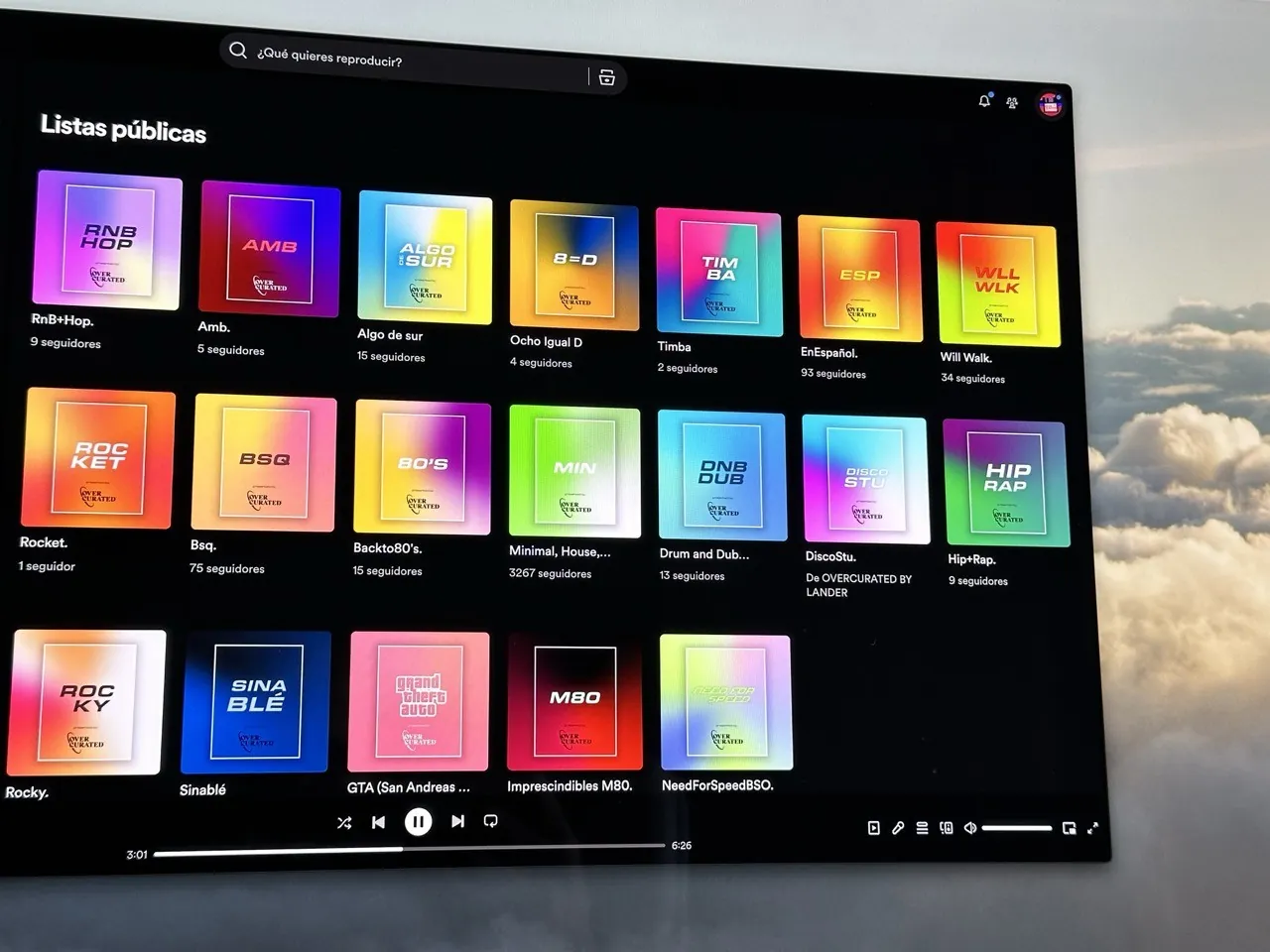
I'm all about music. I don't make it, but I listen to an absurd amount of it. It's a key tool day to day: perfect for tuning in, keeping up and smoothing things out at the right moment. Used properly, music is indispensable.
As neuroscientist Kiminobu Sugaya points out, music helps with many things: it affects how we perceive time, evokes memories, helps with conditions like Parkinson's and can reduce seizures. So why not bring more of it into your life?
A soundtrack for the studio
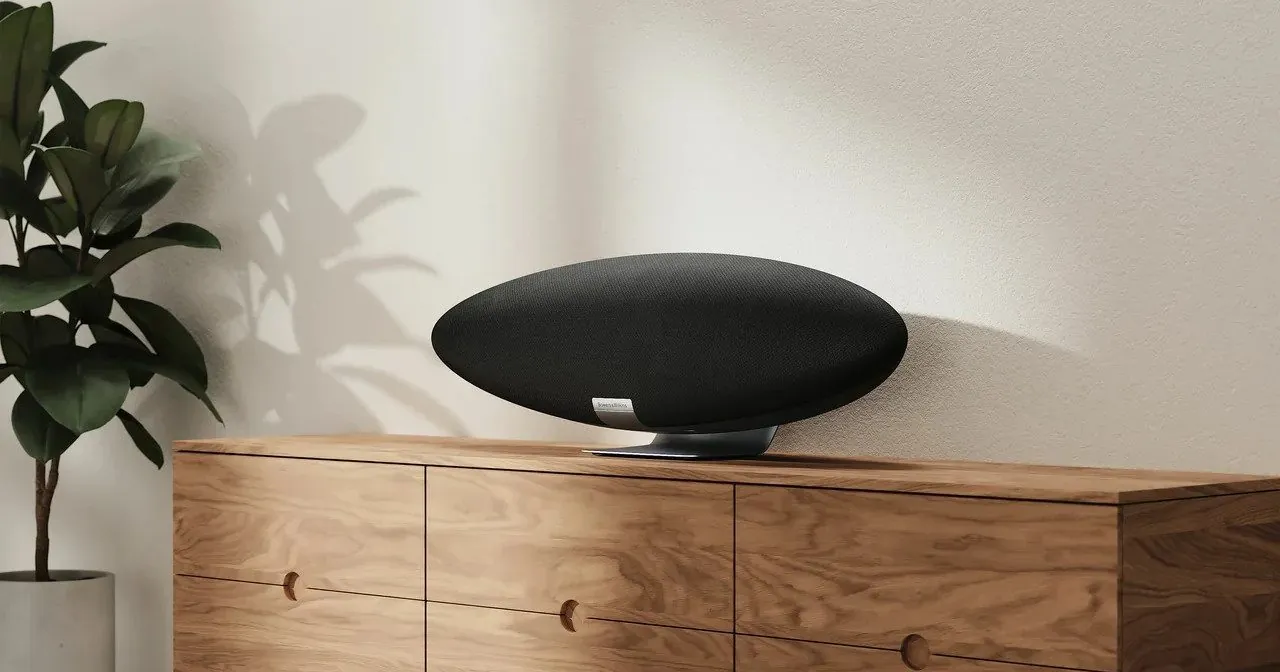
One of the first offices I worked in as a designer had a big B&W Zeppelin near my desk. My colleague had the privilege of setting the mood for everyone. It sounds risky, but he got it right every single day.
That routine created a thread connecting hours, tasks and people's moods. I noticed the difference when I moved to places where the music was replaced by the bare noise of keyboards. Luckily, that hasn't happened often since.
Earworms
A couple of years later I became quite interested in earworms. I don't know about you, but I wake up almost every day with a tune in my head.
Earworms are catchy pieces of music that play over and over in your mind. They can last minutes, hours or even days. Many things can trigger them, but they can also appear for no obvious reason — and they stay until they decide to leave.
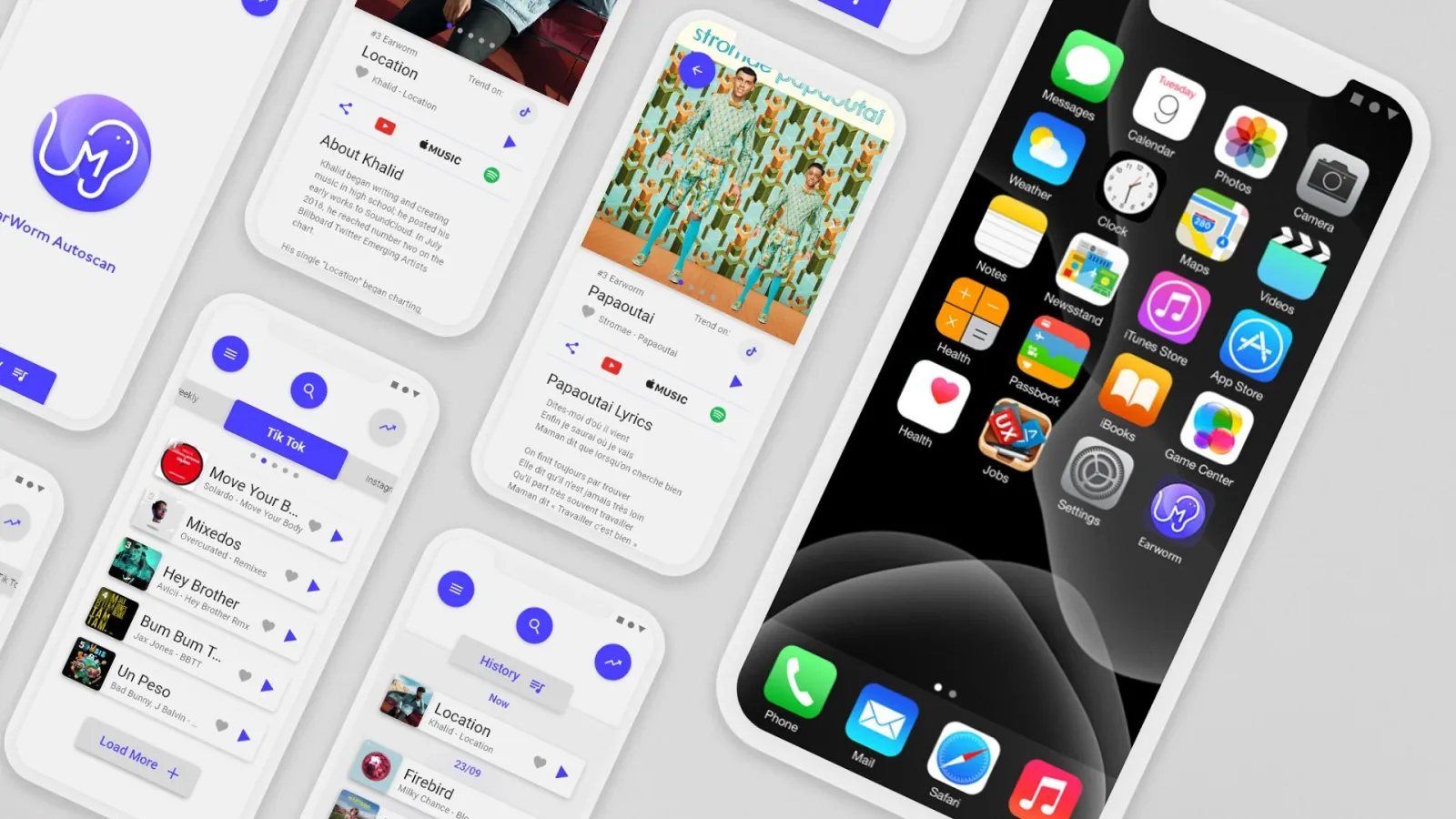
Back then I designed a sound recognition app to finally get rid of those earworms whose names you don't know: the Earworm app.
Music is the perfect mood setter and an awesome icebreaker.
The visual side of music
What's your first contact with your favourite song? Maybe social media, a film, an ad, the radio or Spotify — or a vinyl sleeve or digital artwork that lets you dive into the visual world of the music first.
Many creators beyond musicians make us wonder how something will sound: the people who polish the interfaces we use every day to explore music, and those who create the image of music, like The Creative Corporation, Studio Herrström, Big Active and Non-Format.

Some obvious (and not-so-obvious) tips
- Explore. There's so much out there that limiting yourself is like a bird getting into a cage on its own. You might feel safe, but it doesn't make much sense to live like that.
- Look at the covers and artwork of the music you listen to, and try to understand their connection with the sound.
- Give different genres a chance. There's room for many styles in your brain.
- Take your kids to music lessons. Let them pick what they like, set their own pace and keep exploring.
- Create your own playlists for different moods, activities or times of day.
- Tell me what you think of some of my playlists, and share your favourite song of the month with me — I'm always up for talking music.
Keep reading
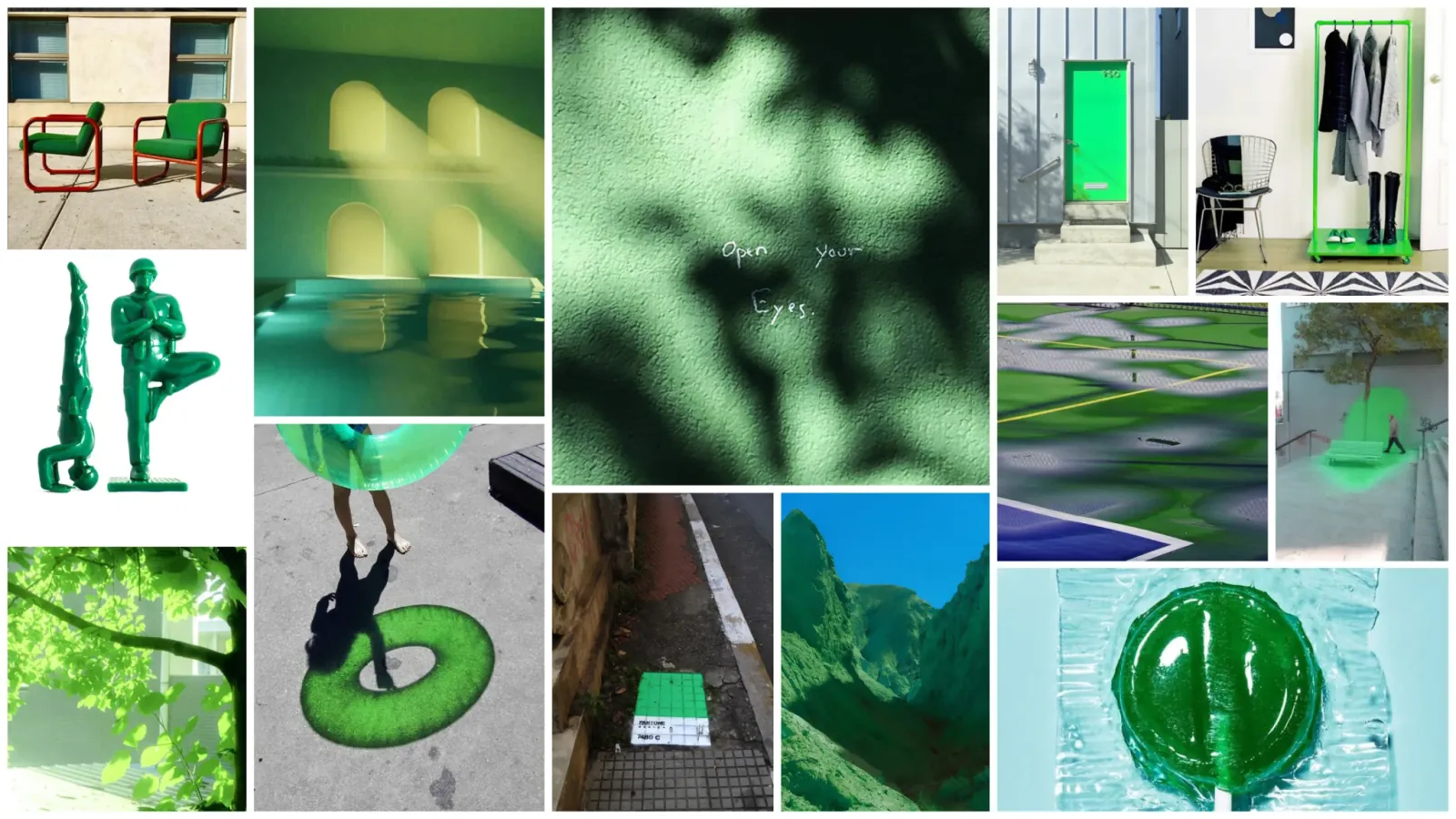
Always Look on the 7480C Side of Life
Why Lander Zaro's brand uses Pantone 7480C (#00F08A): the psychology of bright green, how it works on screen and in print, and moodboards to see it in context.
The Essence of Exactness: Choosing the Right Tools for Creative Success
Why the right tools matter for designers and businesses — ergonomics, organisation, reliability, scalability — and how to assess your toolkit, by Lander Zaro.
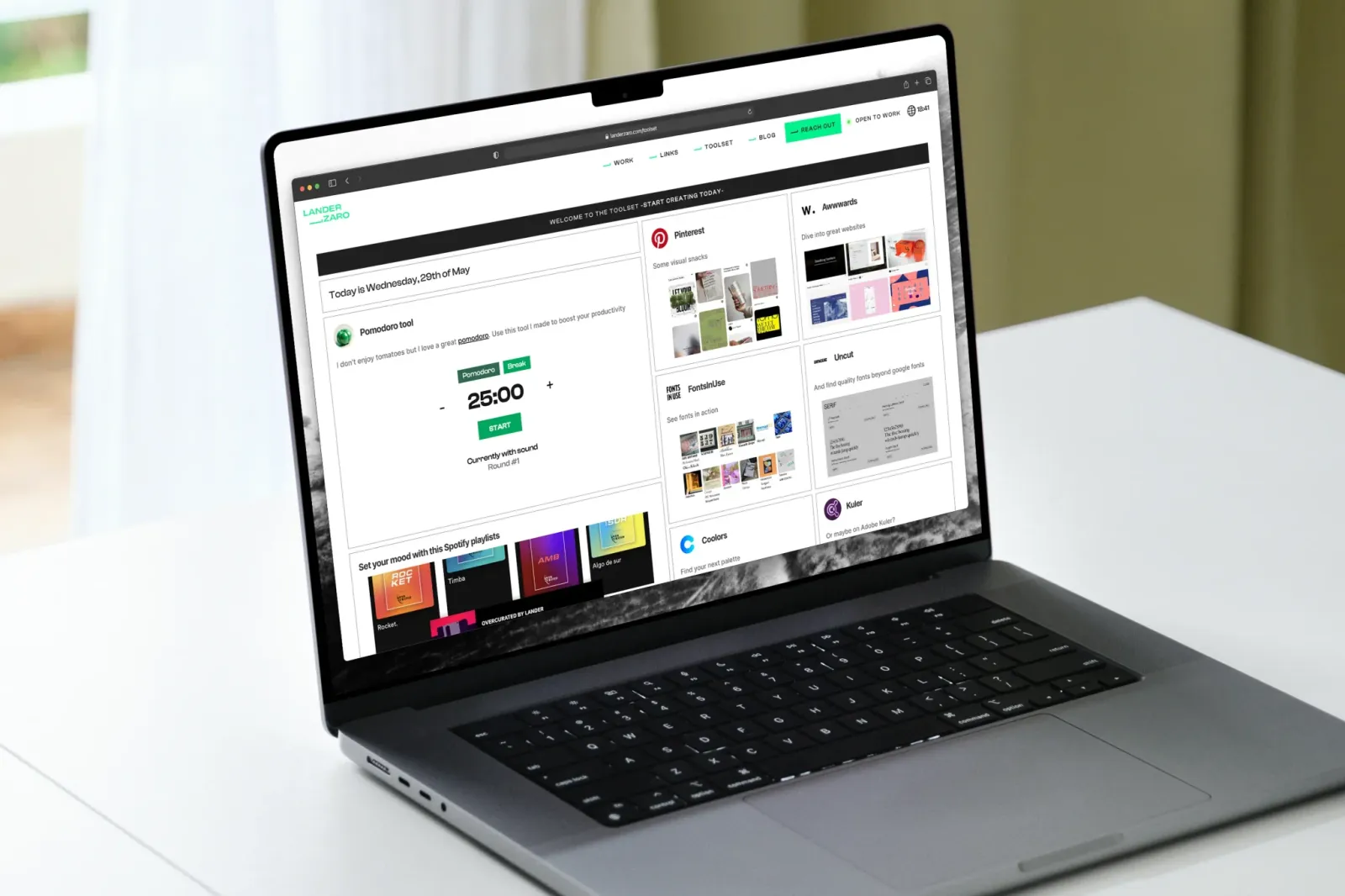
Try Others' Methods. Create Your Method
How the Pomodoro technique works in six steps, who it helps, and why Lander Zaro built a free focus timer and resource toolset to help you find your own method.