Product design, Process
The Role of Product Design: A Digital Swiss Knife
A Swiss knife in the right hand is incredibly useful. Similarly, a good product designer in the right team is unparalleled.
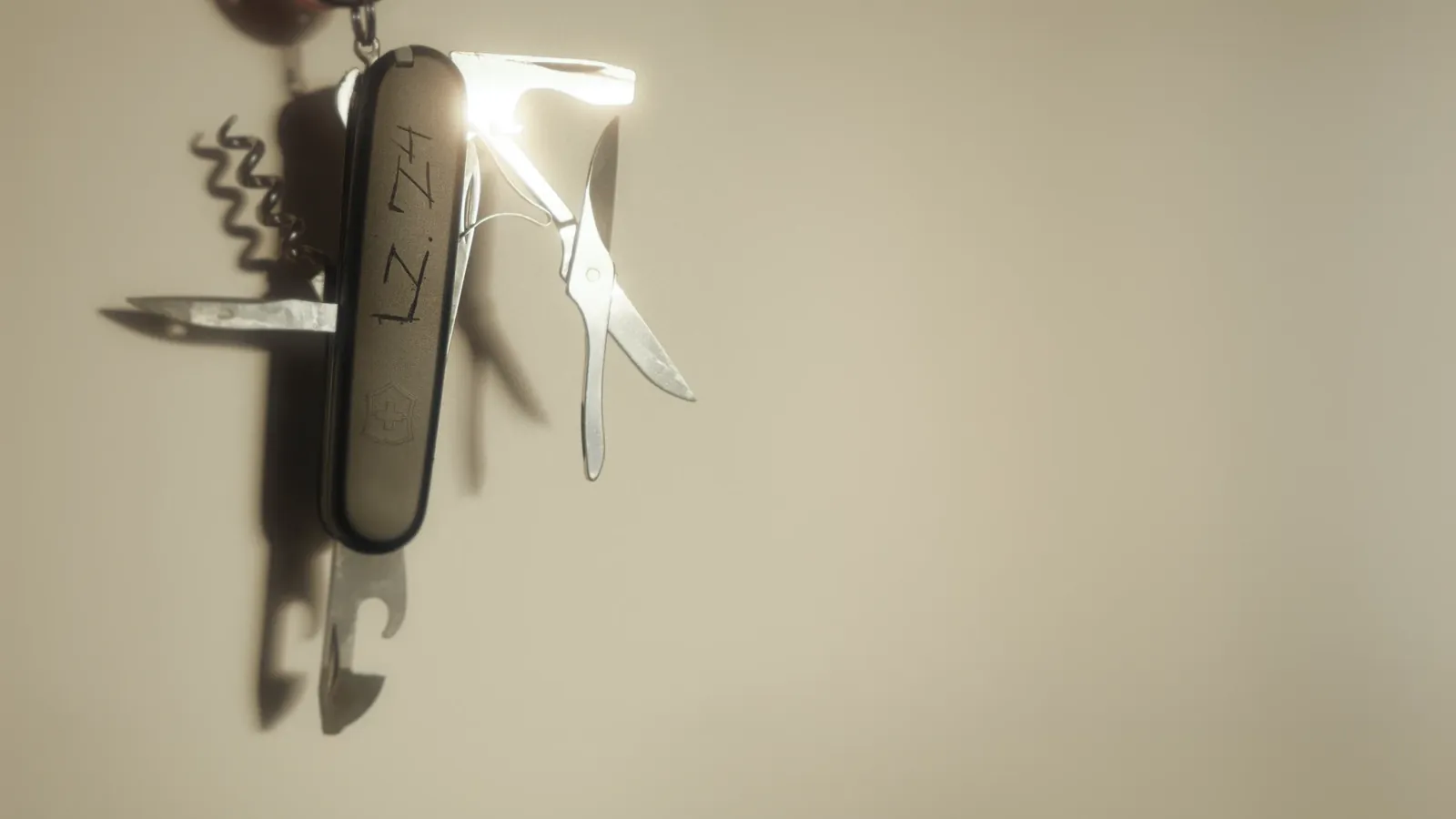
There's often some confusion around product design: what it means and what it can do for you. So let's answer it: what is product design, how is it different from other design roles, and what can a product designer bring to your team?
Product designer vs. industrial designer
It's easy to associate a product designer with a more traditional definition of the term. Historically the role was linked to industrial design or, as a friend's grandad calls it, “an inventor.” Both roles create user-friendly designs, but their focus and skill sets differ significantly.
A product designer focuses on user experience and user interface, mainly in digital products such as apps, websites and software, balancing functional and intuitive design.
The skill set spans many design disciplines — graphic design, interaction, UX/UI, process knowledge, software and tools — and some code, to understand the logic behind each design decision.
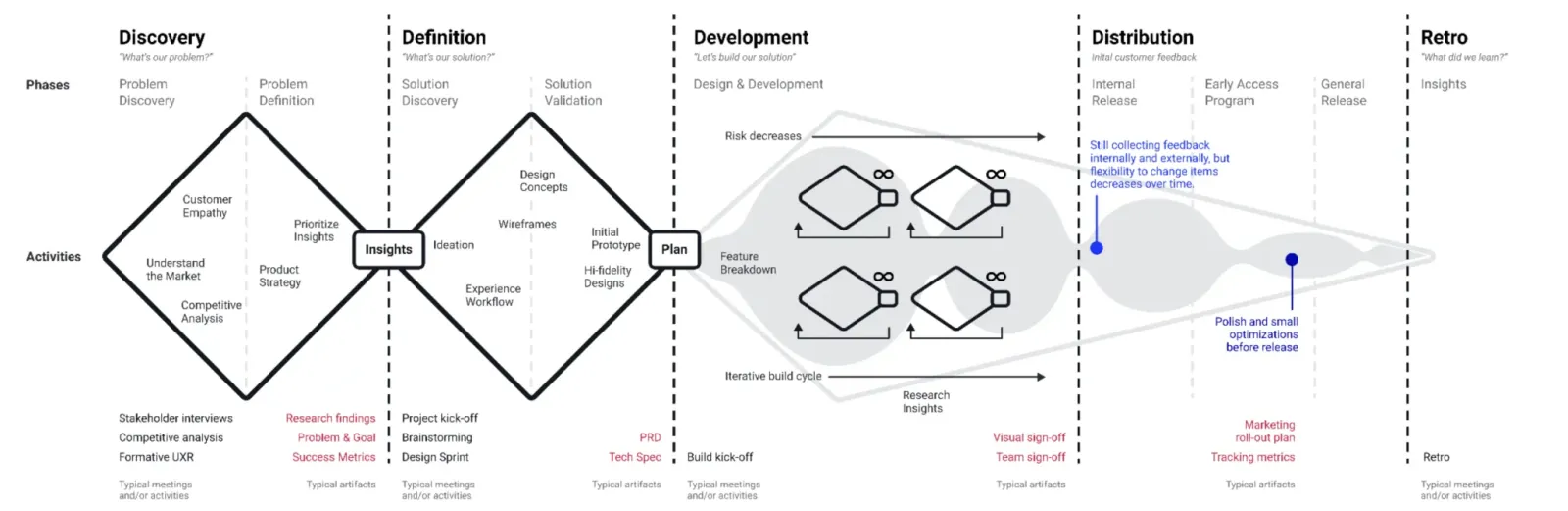
Product designers look after the whole user journey, making every interaction with a digital product seamless, enjoyable and intuitive for its audience. Empathy and understanding of users are crucial to build the right information architecture. What really defines a great product designer is the ability to understand the full process, anticipate what's going to happen, and make the right efforts at the right time.
Industrial designers, on the other hand, focus on how people interact physically with objects and on ergonomics. Their goal is to design objects that are feasible to produce and market, while product designers create cohesive digital experiences that meet business objectives.
Product design as a holistic way of creating digital things
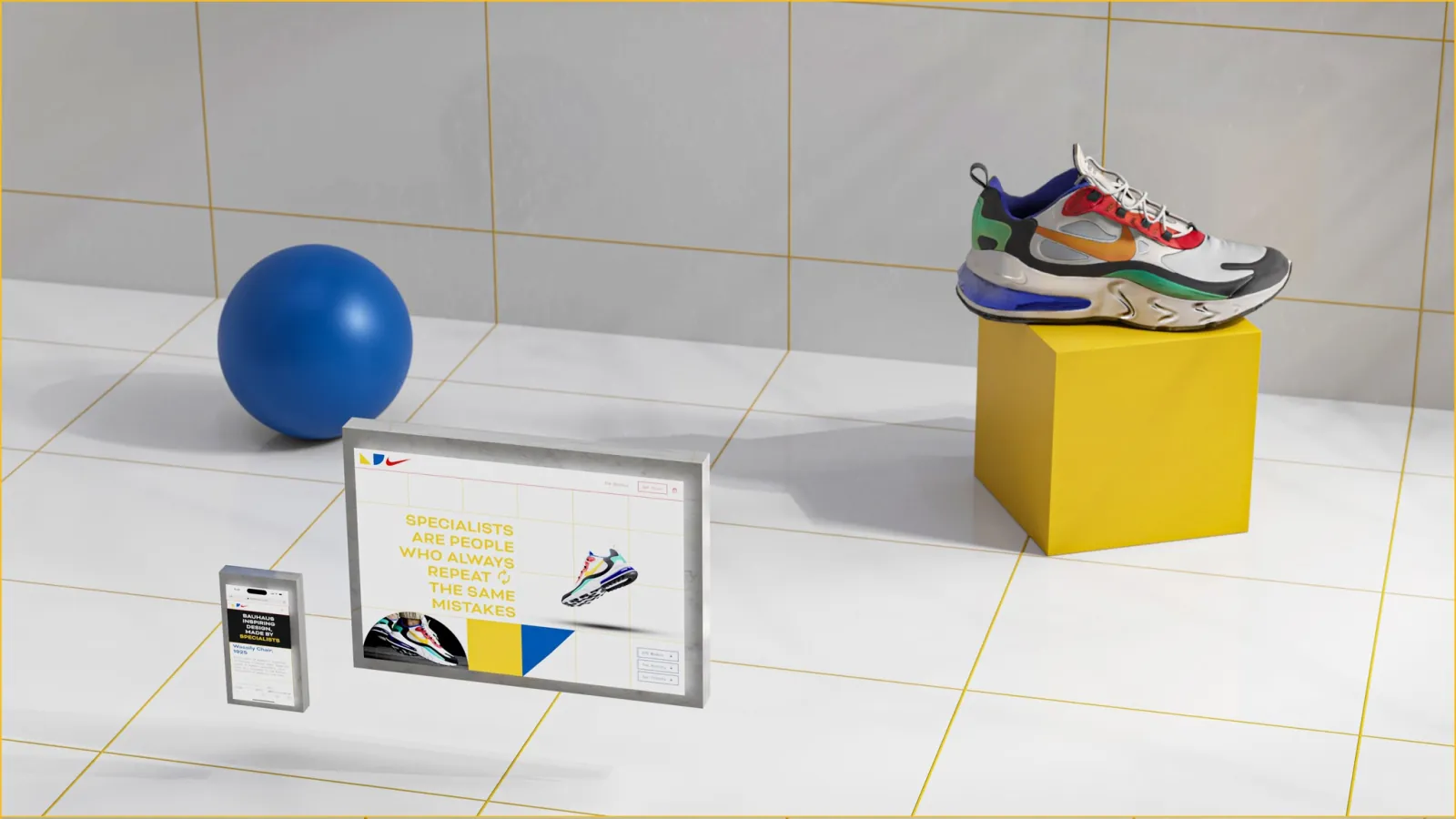
I love tackling design from a holistic perspective, and I've always been thrilled by how to improve experiences so people feel connected with what they use. The Bauhaus and its integration of disciplines, Dieter Rams and his user-centred approach to everyday products, IDEO's design thinking and the FAANG race to deliver integral experiences were all great sources of inspiration.
They taught me to see design not as an isolated function but as an interconnected system that needs a deep understanding of user needs, business goals and technical feasibility — where the focus is not only on appearance but also on high functionality. That mindset has been crucial in my journey designing digital products.
Add my early experience at Startup Weekend Gran Canaria — where I collaborated with new people and won the contest with our project, BasketUp — and I became very interested in providing the best all-in-one solutions. I started spending time with start-up founders, partners and employees, and soon realised that when they looked for help, they wanted a designer who could be their digital Swiss knife: someone who understood every level of design, combined it with a business approach and had technical knowledge.
How to choose your next designer
Evaluate your current needs and summarise your three key necessities, the ones that can't be missed. Is it experience? The way they present work? Their overall skill set? Or how quickly they start delivering real value?
Look for a designer who not only improves the user experience but also aligns design solutions with business objectives — and who is a great addition to your current team.
Need some design expertise? Reach out.
Keep reading
AI in the Product Design Process: Where It Helps and Where It Doesn't
How AI fits each phase of product design — discovery, alignment and execution — where it saves time, where it adds risk, and how to use it without losing judgement.
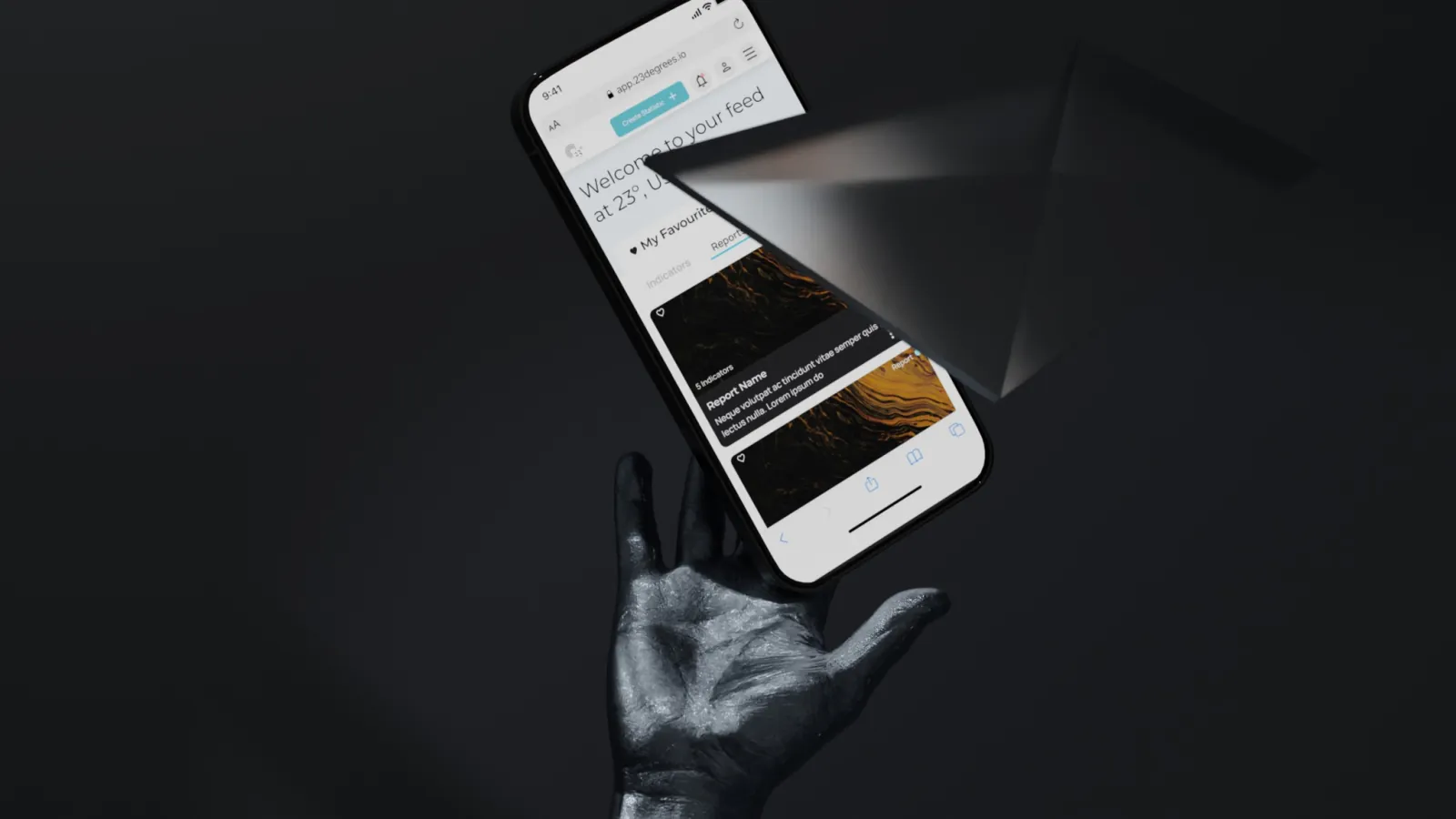
Design Systems That Scale: What 300+ Components Taught Me
How to build a design system that scales with your product: lessons from redesigning 23degrees (120+ screens, 300+ components) and GTAI's modular data platform.

Designing a SaaS From Zero: 6 Lessons From Building Gobrador
Six product design lessons from building Gobrador, a public tender intelligence SaaS: show value before sign-up, translate jargon, explain decisions and listen to pivot.